
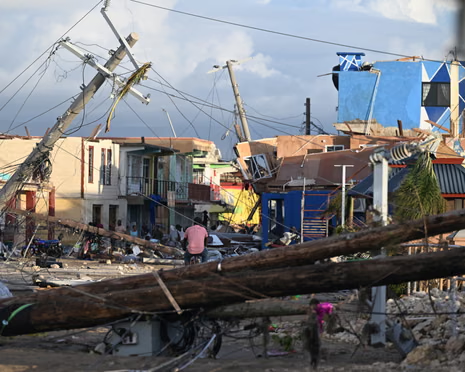
KINGSTON, Jamaica – Hurricane Melissa struck the Caribbean sea before officially making landfall in Jamaica, Haiti, Cuba, and the Dominican Republic on Oct.28, 2025 at around 17:00 UTC. Prior, the tropical storm rapidly grew from a category 1 hurricane on Oct.25, 2025 to a category 5 hurricane on Oct.27, 2025.
Jamaica, Haiti, Cuba, and The Dominican Republic are among the countries that got hit the hardest, especially Jamaica and Haiti with many left homeless and 75 reported fatalities spread across the region.In Jamaica, civilians watched in awe as the strongest storm this year swept through their country and caused major devastation to homes and infrastructure. Around 25,000 people are housed in shelters across the western half of Jamaica and about 77% of the island is without power. Furthermore, Prime Minister Andrew Holness says up to 90% of roofs in the southwest coastal region of the country in Black River are completely destroyed. “Black River is what you would describe as ground zero,” He said. “The people are still coming to grips with the destruction.” Even as Melissa is done with its vicious attacks in Jamaica, the country is still suffering the wrath of the tropical storm with officials quickly trying to reconstruct the infrastructure that’s been ruined.
Though Jamaica has received the most devastation, Haiti also suffered catastrophic flooding resulting in over half of the overall death toll coming from the country, widespread property damage, and misplaced people that continues to increase as the days from the original hit go on. To reconstruct, Haiti’s plan consists of declaring a state of emergency, aligning with automatic relief efforts towards removal of debris, agriculture, health and health care institutions, etc.Haiti’s reconstruction plan also includes inputting long term recovery initiatives focusing on rebuilding not only infrastructure but also community resilience.
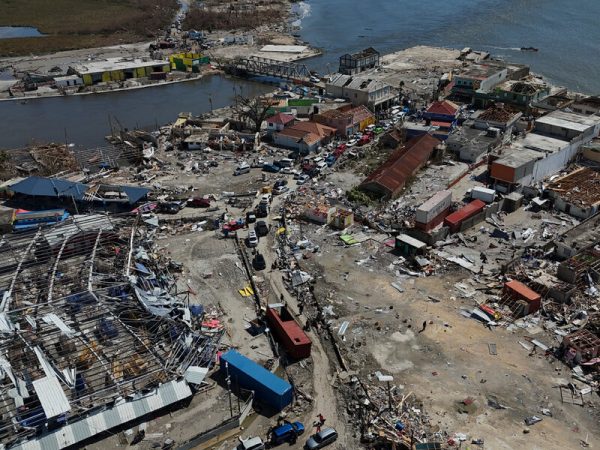
Particularly in the eastern provinces, Cuba was hit with widespread flooding and thousands of homes left destroyed along with crops, infrastructure, and disrupted power across the region. Among this destruction, hospitals and schools were also affected, leaving thousands displaced and struggling. To clean up the damage, Cuba’s reconstruction is solely controlled by the government with support coming from the UN. Overall, Cuba is prioritizing health, water, sanitation, shelter, education,and early recovery. The UN donated 74 million to fix significant damage to hundreds of health care facilities, over a thousand educational institutions, and food insecurity rates.
Although these three countries are not the only lands that were affected by Melissa, other countries such as the Cayman Islands and the Dominican Republic suffered minimal damage and reconstruction is a faster process than in Haiti, Jamaica, and Cuba. As plans of rebuilding start to be put in action, it seems that there’s hope for the rebuilding of what has been damaged.