
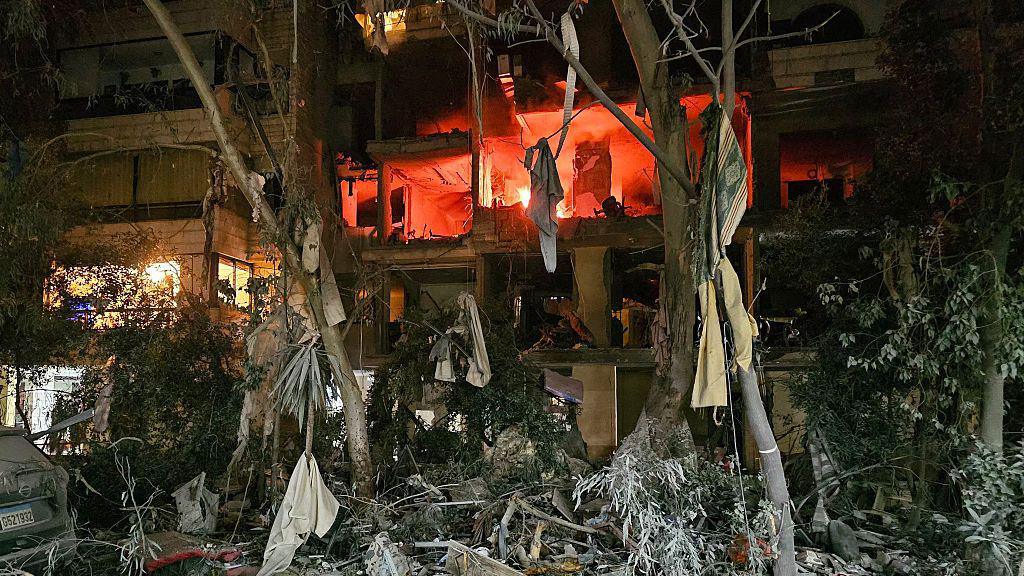
After nationwide protests, nuclear negotiations, and threats from the U.S., the United States and Israel launched a large-scale offensive against Iran. Iran is now facing a historic turning point following the death of its Supreme Leader, Ali Khamenei, during the joint offensive attacks on the country.
Death of Khamenei
The death of Ayatollah ALi Khamenei on February 28, 2026, has created a power struggle with the country’s already rising turmoil against the leader. As for the nation’s current leaders, a three-member council has temporarily taken the Ayatollah’s position, which includes the President, the Judiciary Chief, and a senior hardline Cleric.
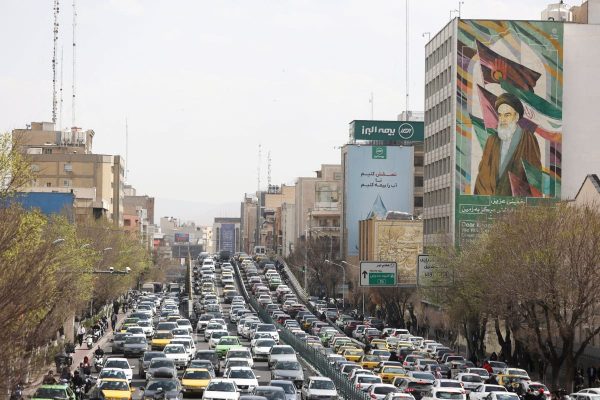
The United States Intentions
The U.S. and Israel pushed its offensive on February 28, stating to have only targeted Iran’s military, nuclear, and government infrastructure. However, the UN education agency, UNESCO, and the UN have stated humanitarian violations as a primary school in Tehran was bombed during the attacks, killing around 150 and wounding another 100.
Iran’s Protests
In late 2025, nationwide protests started against the end of the Islamic republic. Reasons included were the collapsing currency, high inflation, and the lack of freedom. Iran’s government used lethal force against the protesters, which resulted in over 2,000 confirmed deaths, and thousands of arrests which included children.
Iran and Hezbollah Response
Since the start of the conflict, Tehran has attacked U.S. military positions in the Middle East. Following Israel’s involvement in the death of the Ayatollah, Hezbollah has joined the conflict with drones and rockets targeted at the Israeli military. Israel has responded with attacks on Lebanon’s capital, Beirut, where they are primarily based.
Trump has now called on Iranians to “seize control of your destiny.”, while others are worried for the future of US involvement in the conflict.