
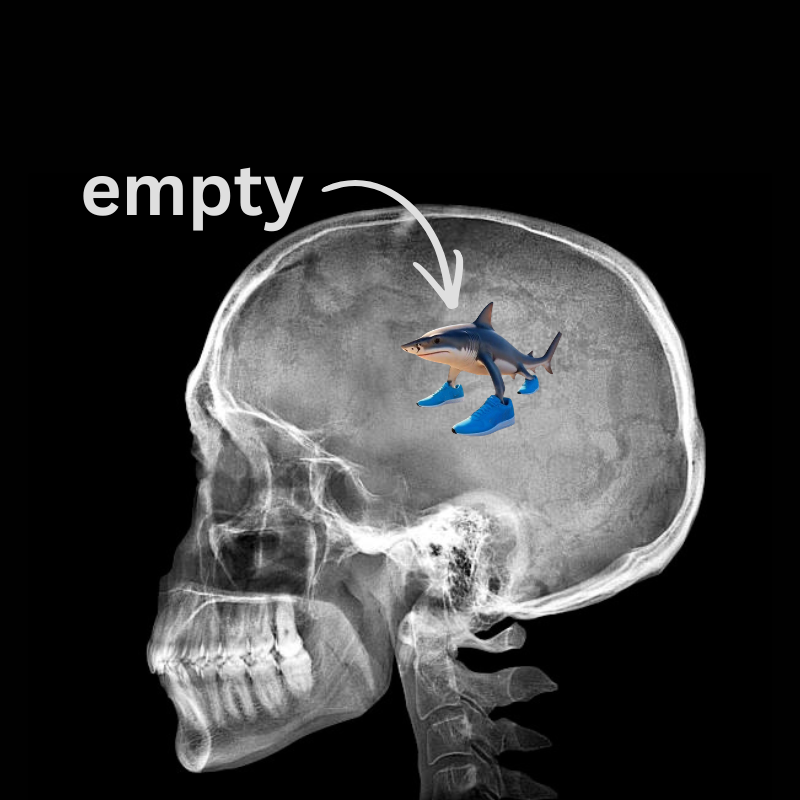
While social media is still relatively new in the grand scheme of things, it is increasingly evident that, in excess, social media can be incredibly addictive and destructive to the brain. It has the largest effect on students in High School due to the brain still developing and the fact that teenagers are the age group who spend the most time on their phones daily.
One of the most troubling effects of excessive social media use is how social media affects your brain and its chemistry. Dysregulation of dopamine, serotonin, and oxytocin networks due to excessive use of social media is associated with behavioural addiction and

deteriorating emotional and social well-being. Social media is structured in a short-term reward system catering to the brain’s serotonin and dopamine receptors, which regulate your mood, appetite, sleep, motivation, etc.
Daily social media use for hours at a time has the strongest effect on your dopamine receptors and levels because of how it is formatted. Social media becomes an artificial “dopamine machine” because it triggers significant and rapid releases of the neurotransmitter in the brain’s reward system, through likes, comments, and endless “doom-scrolling”.
Dopamine
“Doom-scrolling” is the act of scrolling from video to video, often mindlessly, for an extended period of time. When you doom scroll, it floods your brain with constant stress signals, spikes cortisol, and keeps your nervous system in fight or flight mode. It rewires attention, increases anxiety, and disrupts sleep and focus. These rapid dopamine releases lower dopamine receptor density, decrease dopamine binding, and reduce dopamine release. Why this is so impactful is that this low-level dopamine state is cyclical in nature and a downward spiral; your brain becomes adapted to the constant stimulation you’re receiving, and as a reaction, it downregulates receptor sensitivity and alters baseline signaling, which leads to even more addiction and a sense that you can only feel entertained and happy when interacting with your device and social media. Likes and notifications grant your brain instant gratification, causing the release of dopamine. Repeated use builds up a tolerance, compelling more and constant usage.
Serotonin
Dopamine is not the only neurotransmitter that is adversely affected by a surplus of social media, as when the brain’s reward system is triggered, it provides a surge of dopamine and serotonin. While dopamine depletion primarily targets things like motivation and concentration, serotonin depletion impairs mood regulation. Serotonin is primarily activated from comparing oneself to people they see online, and the constant need for comparison to “perfect” reduces serotonin levels and leads to feelings of inadequacy. These reduced serotonin levels trigger other changes in the brain, influencing gene expression and the formation of new brain cells. These alterations can collectively contribute to the development of mental health disorders like depression. Serotonin deficiency can also hamper clear thinking and cognitive resonance, whilst fostering heightened anxiety.
Oxytocin
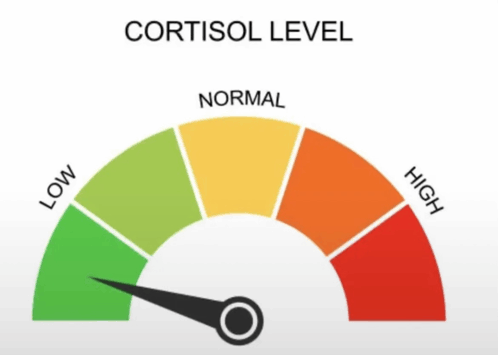
The third neurotransmitter that social media significantly affects is oxytocin. Oxytocin is known as the love hormone. It promotes bonding, trust, and relationship-building, and is also associated with reducing anxiety and stress, promoting calmness and positive social interactions. Oxytocin is naturally induced by physical touch, social connection, and acts of kindness. Social media can artificially induce oxytocin by engaging in acts like posting updates, commenting on friends’ content, sharing, and receiving likes, mimicking in-person interactions; it can trigger up to a 13% increase in oxytocin in just 10 minutes, which is an increase in oxytocin equivalent to a wedding day spike. However, unlike the other neurotransmitters affected by social media, oxytocin requires a more nuanced discussion. The same study that found the level of oxytocin released also found significant percentage changes in other hormones. While Penenburg was tweeting and his oxytocin was spiking, his stress hormones, cortisol and ACTH, went down 10.8% and 14.9%. While this does show a positive correlation between social media use and your stress levels, this study was done just once and fails to represent how long-term exposure and consistent use could cause a discrepancy in the resulting relationship between social media and stress levels. This study solely represents an instance that is atypical for the user, as, for a persistent social media user, their cortisol and other stress levels actually increase, with the temporary oxytocin spike not being significant enough to offset the increases in cortisol. Social media-induced oxytocin also possesses other shortcomings, as oxytocin requires things like eye contact or physical touch to function at its full capacity, and those are in-person elements that digital platforms can not replicate; it can lead to feelings of loneliness despite high usage. These feelings of loneliness can promote sustained compulsive usage for multiple reasons; it can lead to longings for connections, whether physical or digital, and this release of oxytocin feels good, when combined with the release of dopamine, leads to prolonged addiction.
For many, social media is a necessary aspect of their lives, whether that be through communication or a livelihood. However, the negative effects of social media should be enough for anyone to think twice before mindlessly clicking Instagram or TikTok. Of course, everything is better in moderation, and social media is no exception to that. Taking into consideration the mental side effects associated with it is the best decision someone is able to make in order to not get consumed by doom scrolling or brain rot. Social media can allow you to reconnect with old friends or family members, it can help with self-expression and identity, but like all else, your use mustn’t be excessive. Social media use should be monitored, and you should remain mindful of all the negative ramifications.




Hanzel Zhang • Mar 12, 2026 at 11:05 am
This jack savage guy is pretty cool and a great writer!!! He coo
John Stiller • Mar 11, 2026 at 3:34 pm
Amazing article I don’t know who wrote it but I think the pictures could have been more serious to match the article.
Gretchen Elliot • Mar 11, 2026 at 3:33 pm
Is that photo with the shark a real X-ray? My granddaughter would like to know.
aarav warman • Mar 11, 2026 at 2:01 pm
this is very educational but the “meme” pictures are throwing it off, however the writing is amazing this so called “Jackson Savage” is a very smart young man.
Bahara Nazari • Mar 11, 2026 at 3:23 pm
Thanks for the feedback
Yousef Attia • Mar 11, 2026 at 1:56 pm Wildcat Tales Pick
This is sooo tuff